How an independent systems integrator helps you find the technology that meets your needs
Building a broadcast or AV system has never offered more choice. So much is now available in an app, and software-defined media architectures promise the flexibility to build the workflows you need, with less reliance on bespoke hardware.
But more choice does not make the decisions straightforward. Software-defined systems have changed the engineering challenge rather than removed it. Selecting individual applications is only part of building a system that meets your operational needs.
This is where an independent systems integrator can help. A vendor-agnostic SI can identify the right solutions at the application level for your business or creative challenge, without being restricted to one vendor’s product range.
The technical considerations
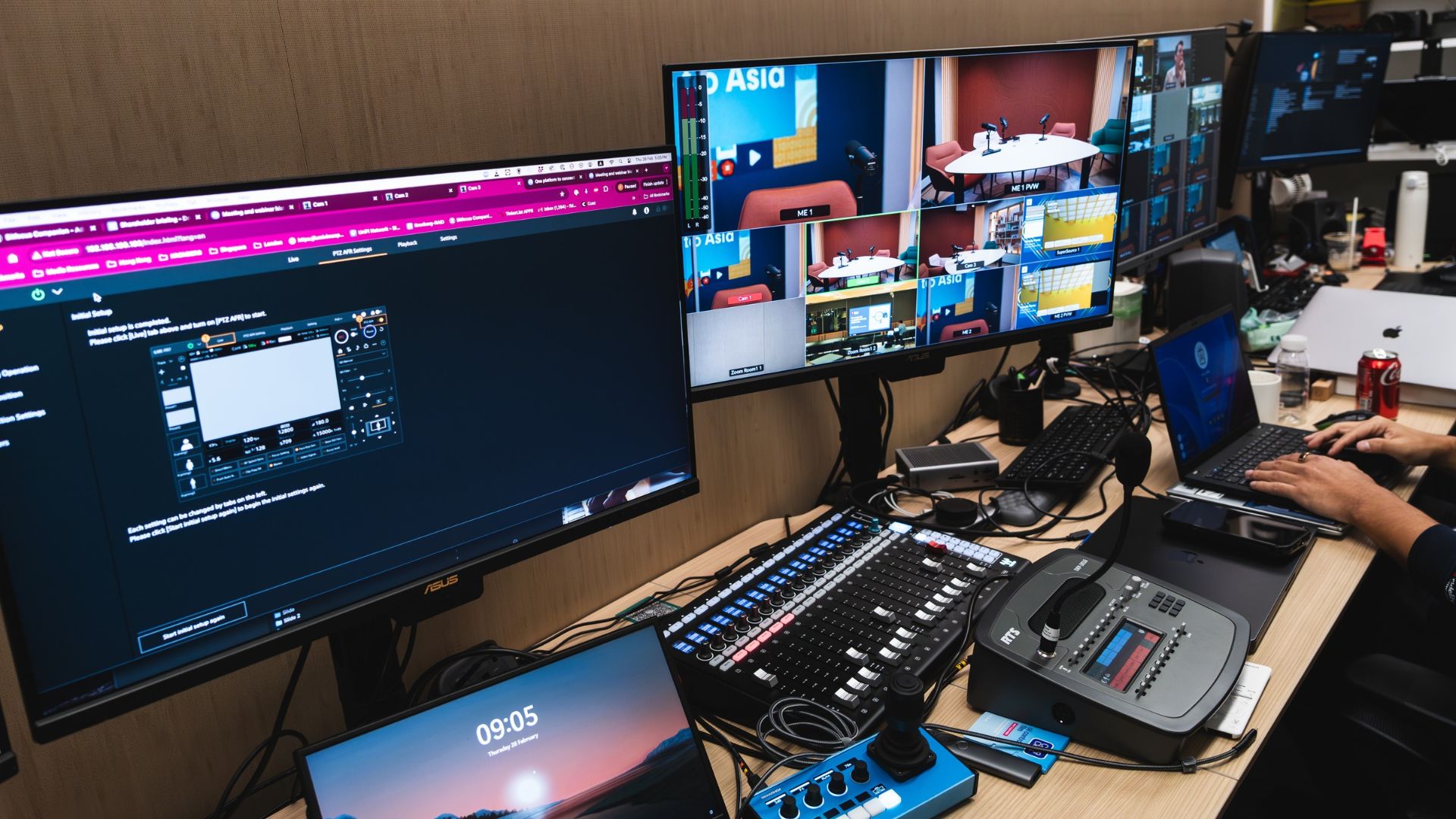
The range of available software applications makes it hard to assess them. You need to establish which ones will do what you need without impairing quality, adding unacceptable latency or reducing security. That means separating worthwhile solutions from vapourware and hype.
Compatibility between applications is another consideration. Standards and best practices around interoperability, discovery and connectivity continue to develop, but getting a signal from end to end takes more than simply loading up the software. The individual applications need to be assessed as part of the complete workflow.
The signals themselves determine the I/O you need and the codecs and transport protocols best suited to the job. JPEG-XS offers quality and low latency, but it needs paid licenses: an alternative such as AV1 may achieve the performance you need. That choice also depends on the network you are connecting. The available bitrate for each signal stream will influence the choice of codec and its settings.
The network specification therefore needs to support the intended workflow. The routers you specify need to provide guaranteed non-blocking performance on all ports at the data rates you need. You also need to establish whether a hub and spokes architecture is appropriate, and whether identical performance is required on each switch.
How you access storage matters too. Accelerated SMB may be needed to get the throughput you need. If you are looking at high performance editing, this is a really key consideration. The performance of the applications depends on the infrastructure supporting them.
Where you are sending signals will determine whether you need one-to-many distribution, and whether some of the more advanced features in RIST are necessary or SRT will do all you need. Resilience risks also need to be addressed, including the need for end-to-end redundancy for critical signal paths.
Alongside performance and resilience, security is a priority for any connected system. Security provisions need to protect against cyber-threats and ensure the signal reaches its destination – and its destination alone – without disturbance by unauthorised parties.
These requirements also inform the hardware specification. The CPU and GPU configuration needs to provide good power headroom for your processing. That includes space for future expansion, remembering that applications only tend to grow with every upgrade.
From specification to operation
Whether you are in broadcast, pro AV, education or corporate media, defining your requirements and translating them into a technical architecture is a complex and time-consuming business. Doing all the research, selecting the right products and developing the necessary interworking software takes resources and expertise. Each decision affects others, so assessing products in isolation will only take you so far.
A software environment on standard hardware offers more flexibility than a traditional bespoke broadcast architecture, where you may only discover whether it does what you need when you connect racks of equipment. But getting a software architecture wrong adds delays to a project, even when rapid implementation is one of its expected benefits. Initial problems can also undermine confidence in the system long after they have been resolved.
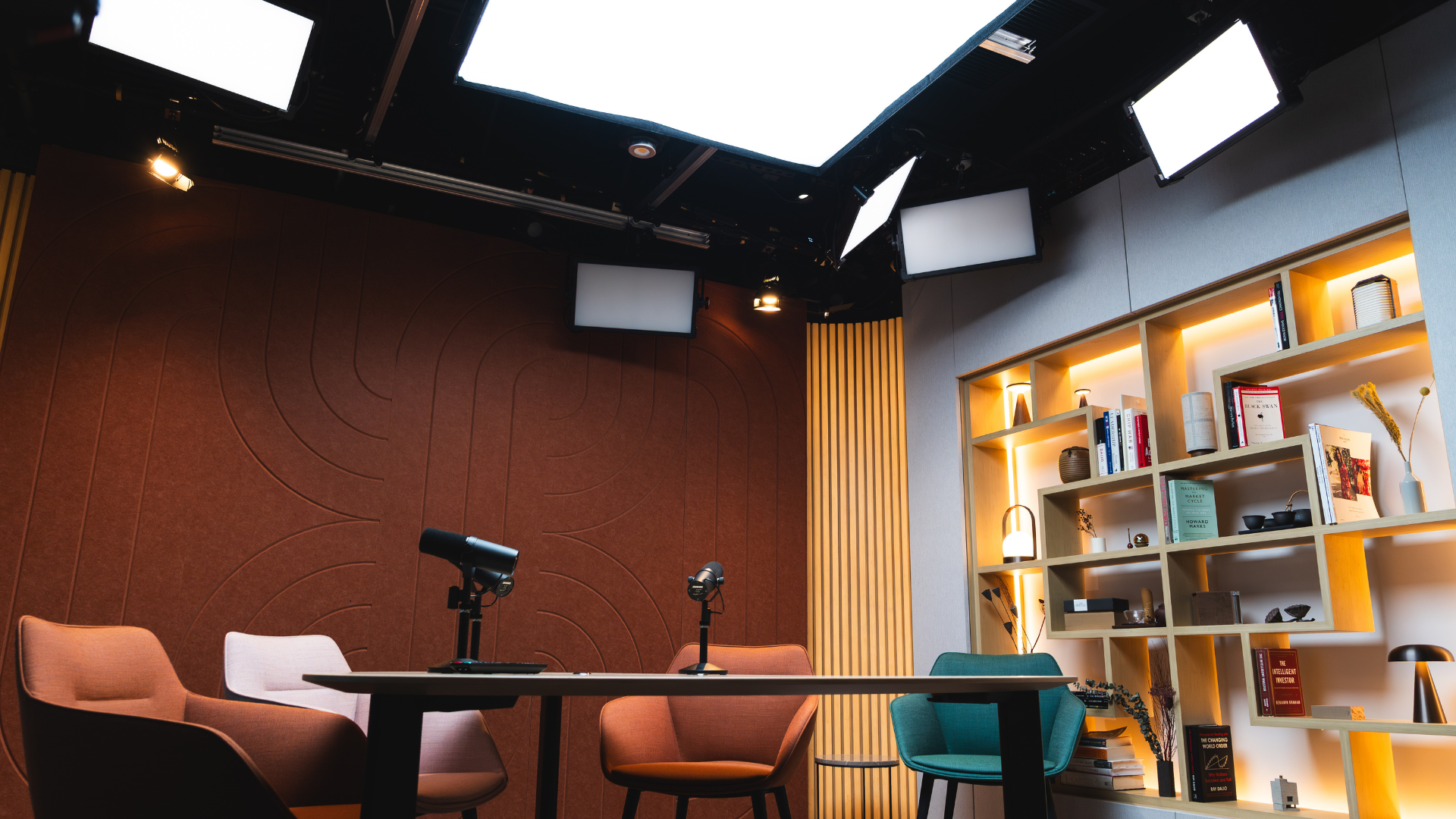
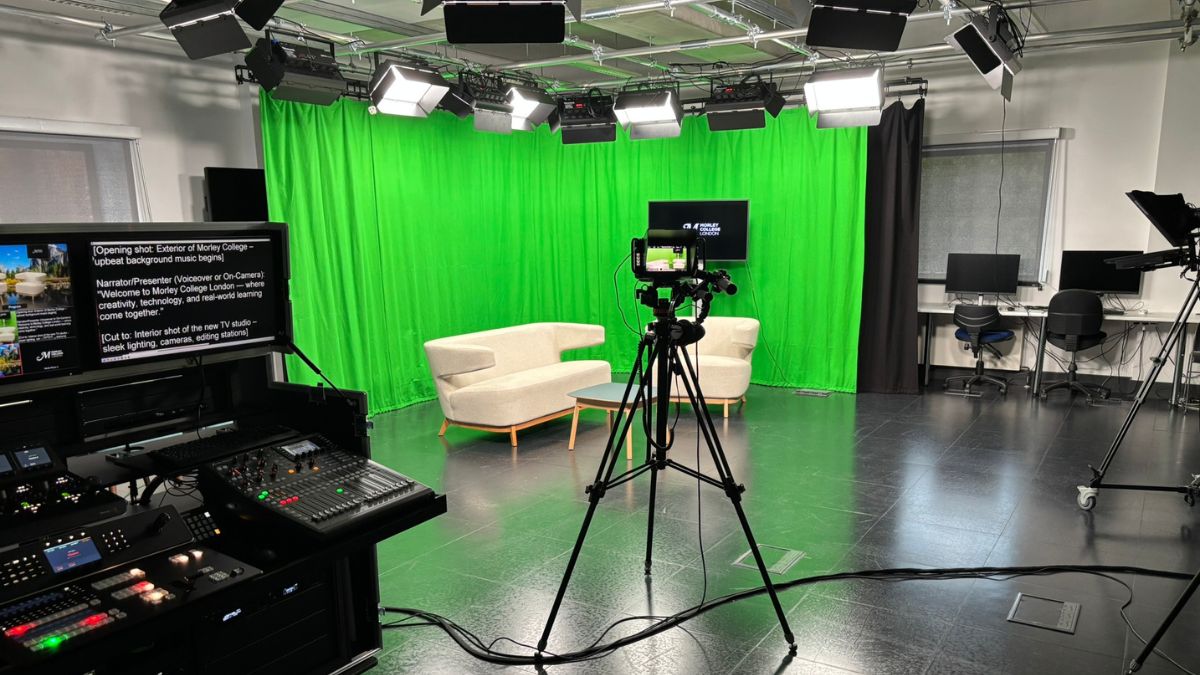
An SI’s role extends beyond product selection. They will also have the skills to understand where there will be gaps in control and signals, and add the necessary software to bridge them. Software customisation and integration could include skinning the user interface to provide the new functionality in the form your operators expect it: the buttons where you like them; the colours matching your practice; your logo on the screen.
At CJP, that work can also include custom PC hardware, network infrastructure and a full security audit, with ongoing support and a help desk once the system is in use.
A good technology partner has the experience and knowledge to understand what is important in each sector of the market and in each operational area. They can guide you through what is useful and what is hype, and point out possibilities you may not have considered. As technology choices expand, that judgement helps turn individual products into a system that meets your needs.