Virtual production is reshaping how organisations create, teach, and collaborate. By combining physical and digital environments in real time, it enables a more adaptable and efficient approach to modern production. But successful implementation depends on more than the technology itself.
Many organisations rush to adopt these new capabilities without fully understanding what is needed for it to perform reliably. A well-planned design process ensures the system is robust, easy to use, and capable of supporting future creative growth, turning a complex setup into one that works seamlessly from day one.
Making this possible requires more than technical expertise. It calls for a thoughtful approach that connects creativity with practical application, ensuring each decision contributes to a space that performs as well in operation as it does on paper.
Start with the Space
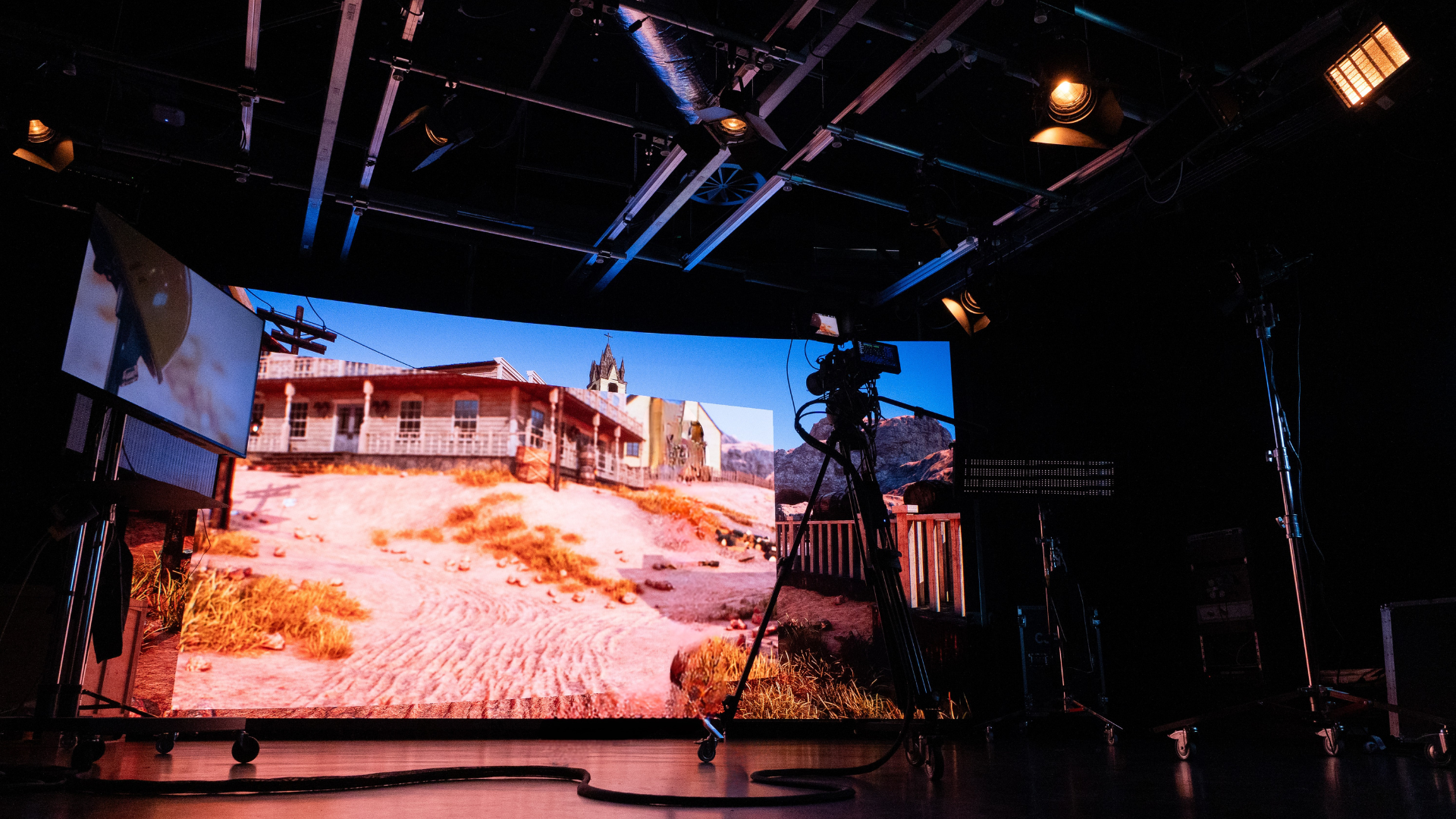
Virtual production can transform almost any environment into a professional studio, but the physical space could still set the limits of what’s possible. Ceiling height, camera distance, and acoustic control all play a role in shaping the design.
Even smaller or unconventional spaces can achieve impressive results when design is considered early in the process. The most effective studios are those planned around the building’s existing strengths. Taking time to identify what can be retained and what needs upgrading helps avoid limitations later and creates a strong foundation for both current and future use.
Understand the Workflow
No two studios operate in quite the same way, which is why every virtual production system must be designed around how people intend to use it. The technology should complement creative workflows rather than dictate them. Understanding how projects move from initial planning through to delivery ensures the system integrates smoothly into everyday use.
When approached this way, everything functions as one connected space. Cameras, tracking systems, and real-time rendering software all work together, creating a smooth process from capture to final output.
Get the Display Right
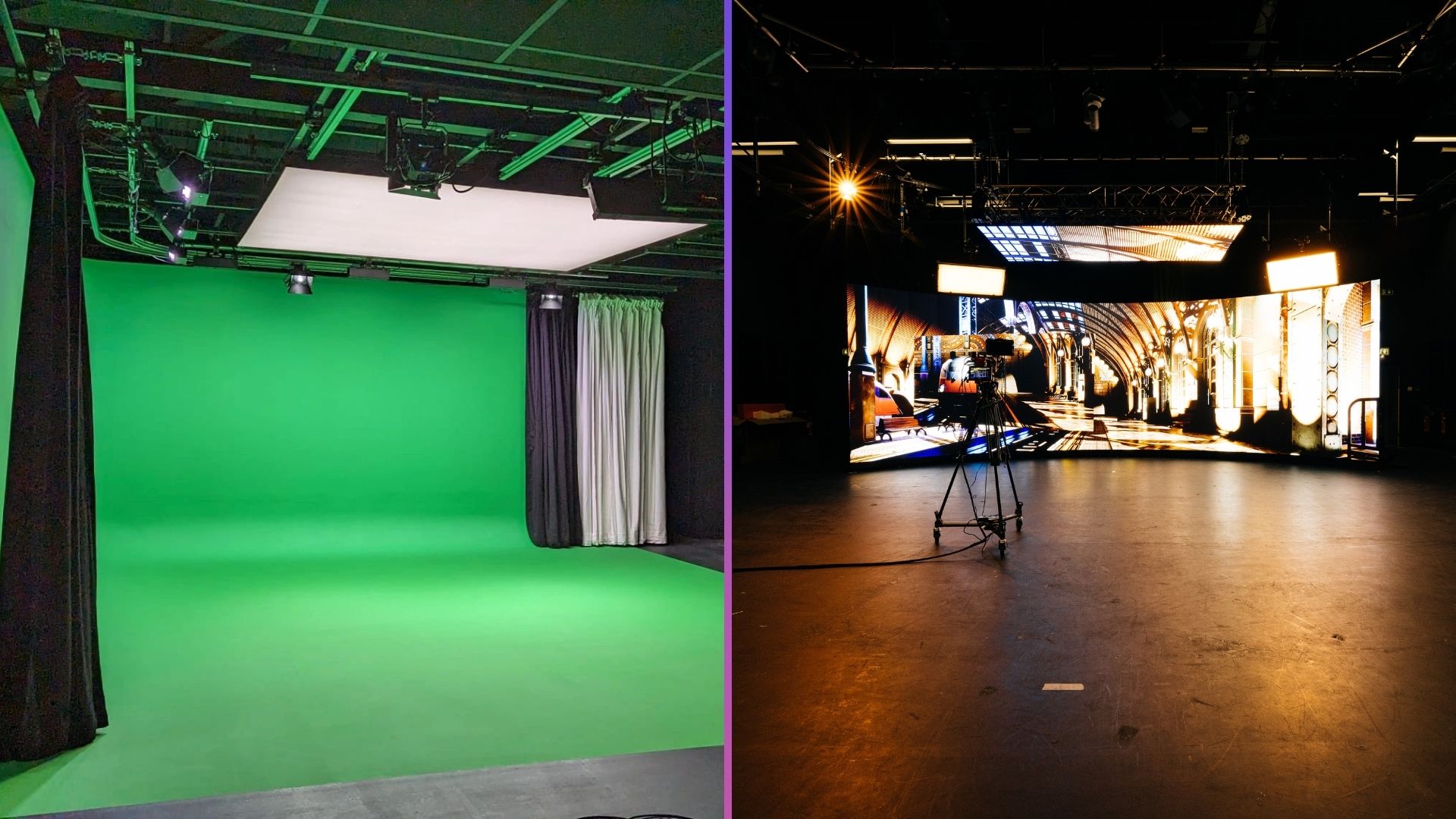
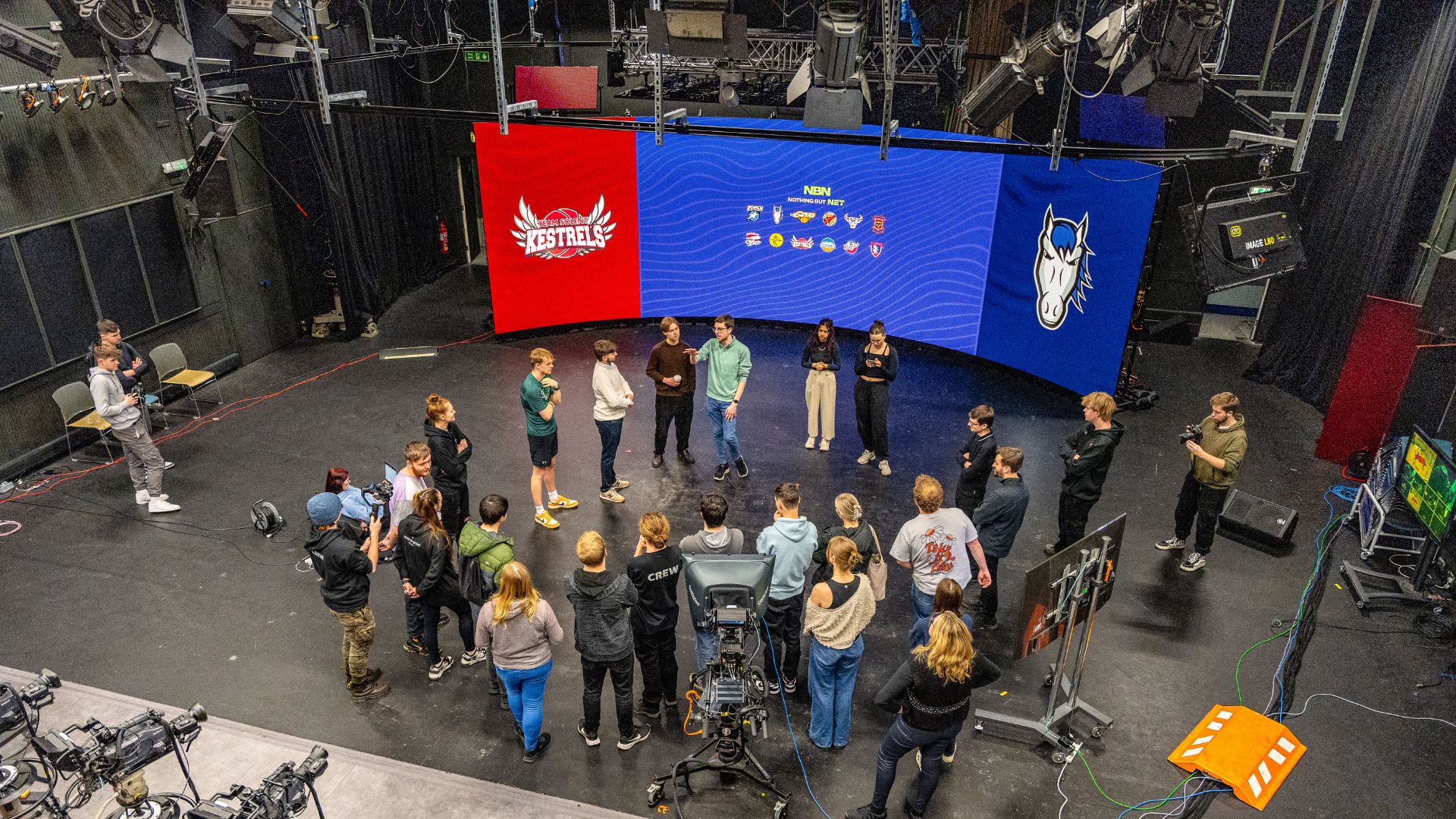
Selecting the right display environment is one of the most important decisions when designing a virtual production facility. LED volumes offer real-time, in-camera visuals that help talent and production teams respond naturally to the scene as it unfolds. Green screens, meanwhile, remain a reliable and versatile choice for compositing and post-production work, particularly in educational and multi-purpose environments.
Each approach has its strengths, and a hybrid setup combining LED and green screen elements can often provide the best of both worlds. This level of flexibility allows teams to adapt the space for a variety of projects while maintaining consistent quality and workflow efficiency. Overall, the key is understanding how the studio will be used and ensuring the supporting technology is designed to suit those creative and technical goals.
Lighting and Tracking Work Together
Lighting and camera tracking form the technical backbone of any virtual production system. Advanced lighting can respond to the digital environment, helping subjects appear naturally within the scene. At the same time, precise camera tracking ensures that every movement stays consistent with the virtual background.
When these elements are properly aligned, the result is seamless integration between the real and virtual worlds. This harmony is what makes a virtual production space feel authentic, both for the people using it and for the audiences viewing the final output.
Plan for Growth
The best virtual production environments are designed with change in mind. Technology and creative techniques evolve quickly, so flexibility should be built in from the start. Designing with future expansion in mind ensures the facility can seamlessly evolve alongside new technology.
Building adaptability into the initial design also ensures the system can evolve as creative ambitions grow, avoiding major reconfiguration later.
Turning Vision into Reality
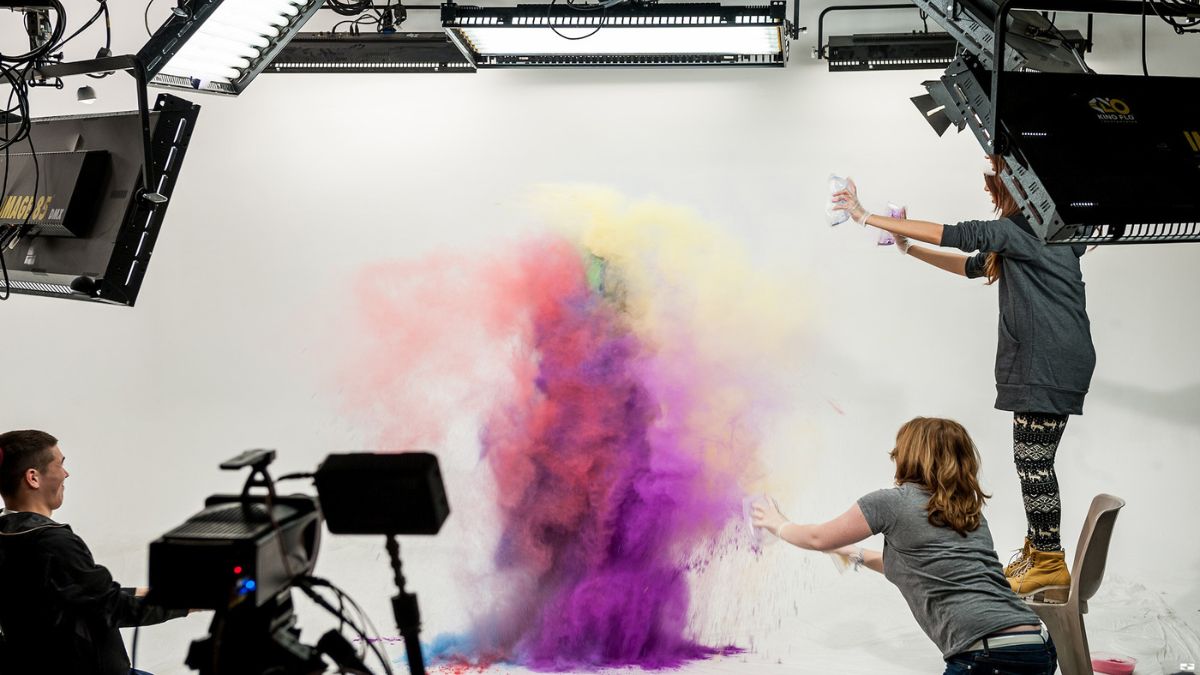
A well-designed virtual production studio is more than a collection of advanced tools. It’s an environment where technology and creativity come together to make new ways of storytelling possible.
CJP Broadcast designs and integrates studios that perform reliably in real-world settings. Every project begins with understanding the client’s goals and ends with a space that’s practical to operate, built to last, and ready to evolve. Whether in education, broadcast, or corporate environments, our focus is on helping clients create spaces that encourage innovation and confidence in every production.